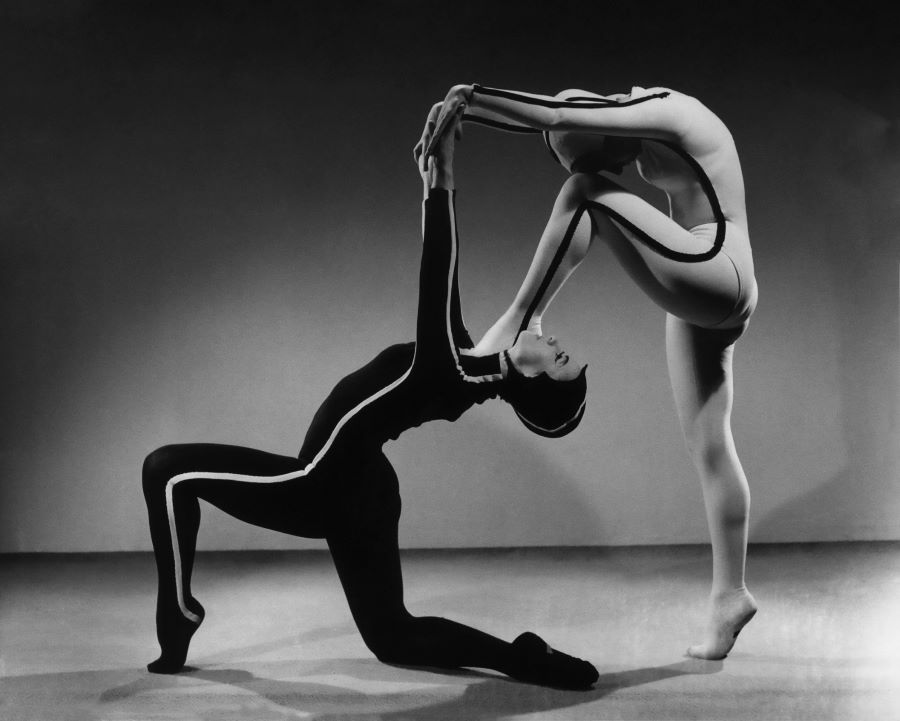
Marcela Martiníková, Star of Ballet Prague and Pavel Šmok’s Muse, Has Died
It was with great sadness that we learned about today’s passing of Marcela Martiníková, an outstanding dancer, Pavel Šmok’s muse, and the prominent figure of Ballet Prague.
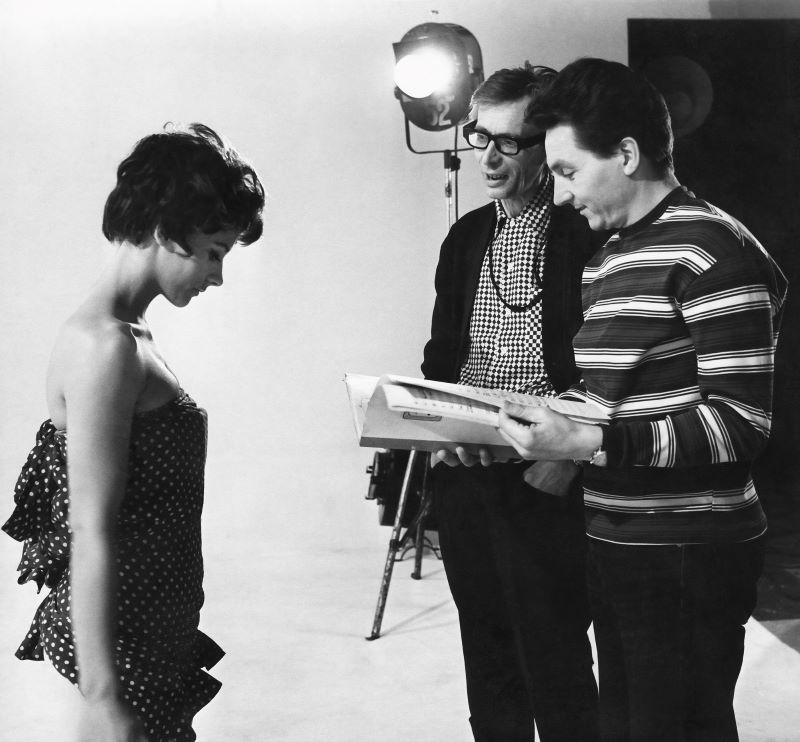
Marcela Martiníková was born in Opava on 31 October 1940. She studied at the Prague Dance Conservatory under Boris Slovák, where she graduated in 1958, but she had started he solo career already in the 1953/54 season in Opava. She found her first engagement at the Ostrava Ballet (Ostrava, 1958/64), where she made her debut under the direction of Emmerich Gabzdyl and where she also met Pavel Šmok. She left with him as a leading dancer to Ballet Prague, where she performed a number of major roles; later she followed Pavel Šmok with part of the ensemble to Basel. After two seasons she returned to Prague, where she danced with the National Theatre Ballet between 1972 and 1988. In the period 1985 to 1988 she was also a dance lecturer at Laterna magika.
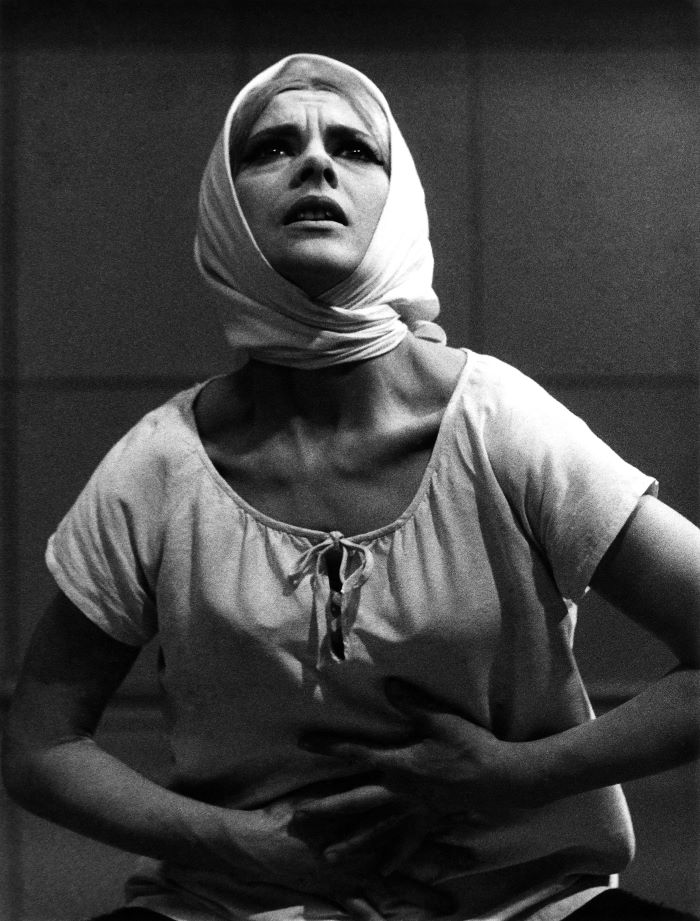
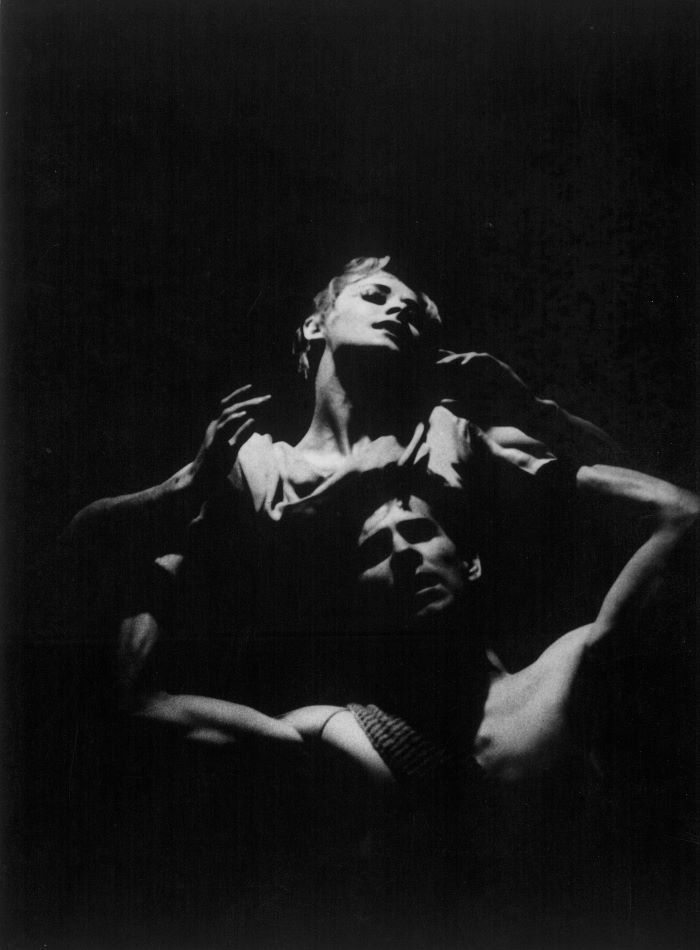
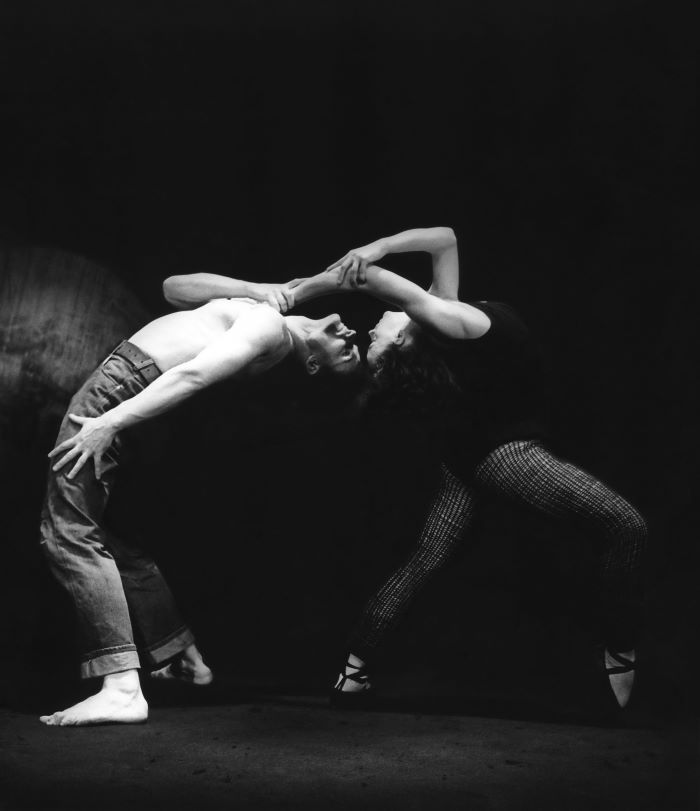
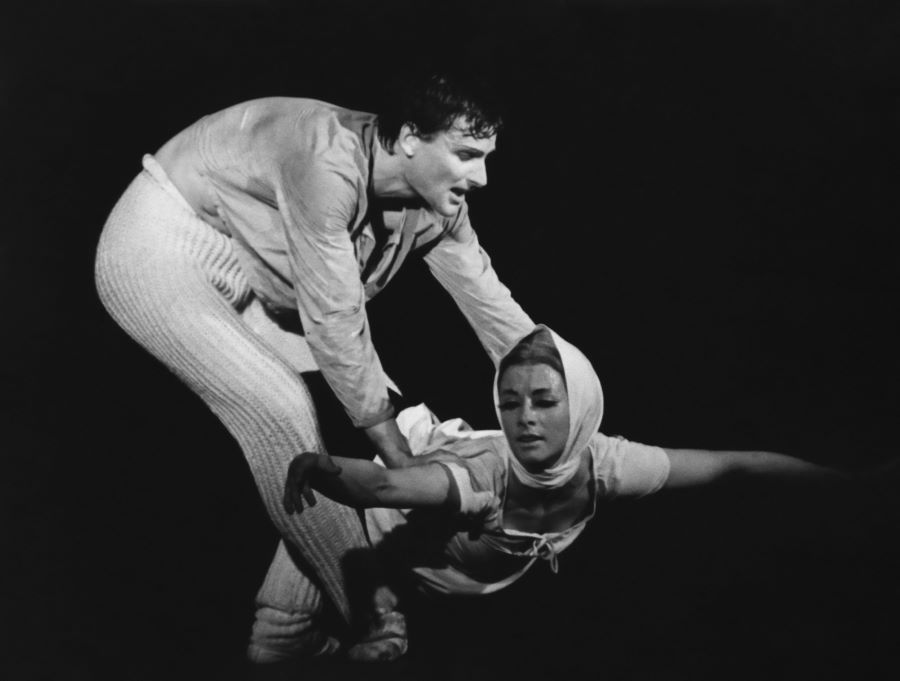
Her fair appearance coupled with good physical abilities and advanced versatile technique predestined her for lyrical roles: Katerina in The Tale of the Stone Flower (1958); Masha in The Nutcracker (1959); Feliciana in Florelle (1960), or Desdemona in Othello (1963). Pavel Šmok recognised her dramatic talent already in Ostravam where she portrayed the Conscience in Hiroshima (1964) and helped her to further develop it in Ballet Prague. Her major roles there included the female leads in Fresco (1965) and The Gangrene to music by Ch. Minguse (1966). Her pivotal roles were the Girl in Luboš Ogoun’s The Miraculous Mandarin (1964) and the role of Mother-Mistress-Inspiration-Death in Intimate Letters choreographed by Pavel Šmok (1968, Basel 1971); in Basel she also portrayed a substantial female role in the choreography The Drunken Boat or the title role in Scheherazade.
However, when she moved to the National Theatre Prague, she was hardly cast in any significant roles; the exceptions included The Woman in The Rite of Spring (1972); Dorotka in Ondráš (1974); Carabosse in Sleeping Beauty (1974), Carmen in G. Bizet/R. Shchedrin’s The Passion (1976); The Duchess in Doctor Faust (1977); Stella in J. Offenbach/J. Lanchbery’s Tales of Hoffmann (1981), and Lilith in Eternal Songs (1982). In her dramatic roles, she showed deep emotions, extraordinarily intense expression, a distinctive passionate pathos, and credible psychological portrayal of the character. M. Martiníková ranked amongst the greatest dramatic dancers of the entire post-war era.
-
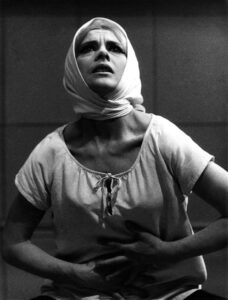
- Marcela Martiníková v Listech důvěrných (foto J. Kokštain, archiv IPŠ)
-
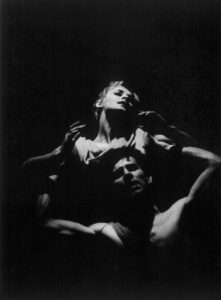
- Marcela Martiníková s Rudolfem Bromem v baletu Fresky (foto archiv IPŠ)
-
- Marcela Martiníková s Petrem Koželuhem v Podivuhodném mandarínovi (foto archiv IPŠ)
-
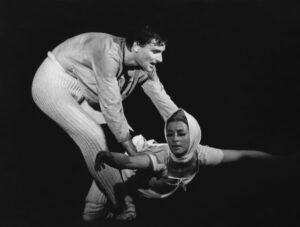
- Marcela Martiníková a Petr Koželuh v Listech důvěrných (foto K. Čejka, archiv IPŠ)
-
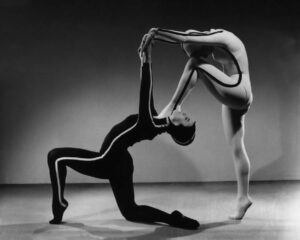
- Marcela Martiníková a Marta Synáčková v choreografii Ticho a hluk (foto archiv IPŠ)